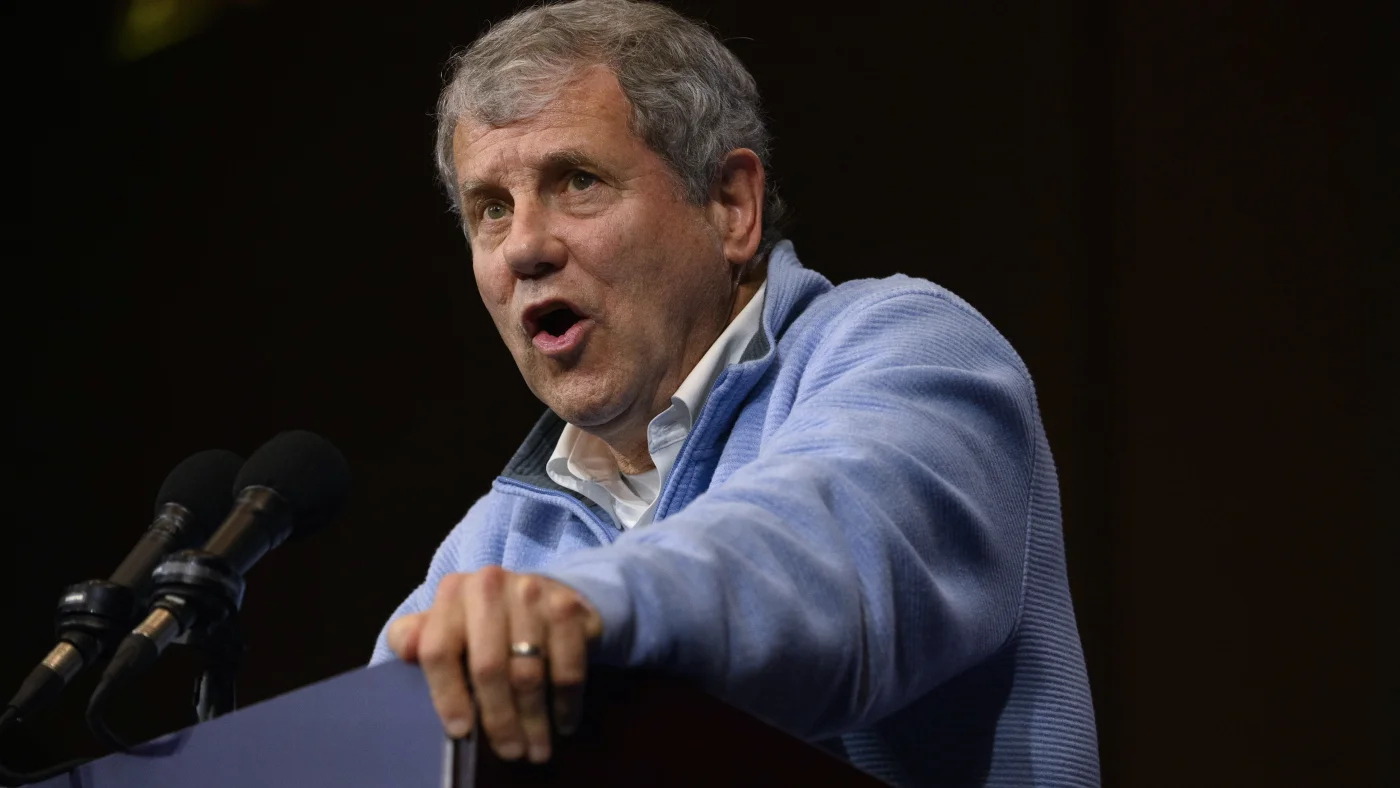
Democratic former U.S. Sen. Sherrod Brown has secured a return to Capitol Hill, defeating incumbent Republican Sen. Jon Husted in a close and expensive special election in Ohio. The victory makes Brown the seventh former U.S. senator since 1946 to lose his seat and subsequently win back a place in the upper chamber.
Brown had previously served three terms in the Senate before losing his seat in 2024 to Bernie Moreno. That contest was ranked by ad-tracking site AdImpact as the most expensive non-presidential election on record at the time. His return to the Senate comes via the special election held to complete the remainder of the term originally won by JD Vance in 2022. Following Vance's election to the vice presidency, Ohio Gov. Mike DeWine appointed Husted to the seat in January 2025.
A Battleground Special Election
Husted entered the race with a long resume in Ohio state politics, having previously served as Speaker of the Ohio House, Secretary of State, and Lieutenant Governor. Despite Ohio's recent trajectory as a solid Republican stronghold—with President Donald Trump carrying the state in the last three presidential cycles—Brown's high name recognition and deep roots kept the race highly competitive throughout the campaign season.
Both candidates maintained relatively low-profile campaign launches, leaning on smaller local events before escalating to major rallies in the final weeks leading up to the election. Brown joined a high-profile rally headlined by former President Barack Obama in late October, while Husted appeared alongside Trump during his visits to the state.
Key Campaign Debates and Spending
Economic and local development topics formed a core part of the campaign debate, particularly the expansion of data centers across Ohio. Brown frequently highlighted the issue, characterizing Husted as "the face of data centers" due to project approvals negotiated during his tenure as lieutenant governor. Other major topics raised on the campaign trail included overall economic affordability, healthcare costs, and foreign affairs.
Campaign finance metrics underscored the national importance of the contest. Together, the candidates raised over $80 million, while total expenditures by the campaigns and outside groups topped $422 million by mid-October. According to ad-tracking figures, Ohio stood out as the primary competitive Senate battleground where Democratic broadcast television advertising surpassed Republican ad spending.
Reactions to the Results
The outcome drew immediate commentary as election night returns confirmed Brown's victory:
"I can sleep soundly tonight. Thank you, Ohio."
"It was a disgrace Sherrod was voted out in the first place. Dude represented OH and the working class so well"
Because the special election was conducted to complete the term running through 2028, Brown is assured of two years in the Senate before the seat comes up for regular election.

